Tri-Antioxidant, A Solution To Health Problems
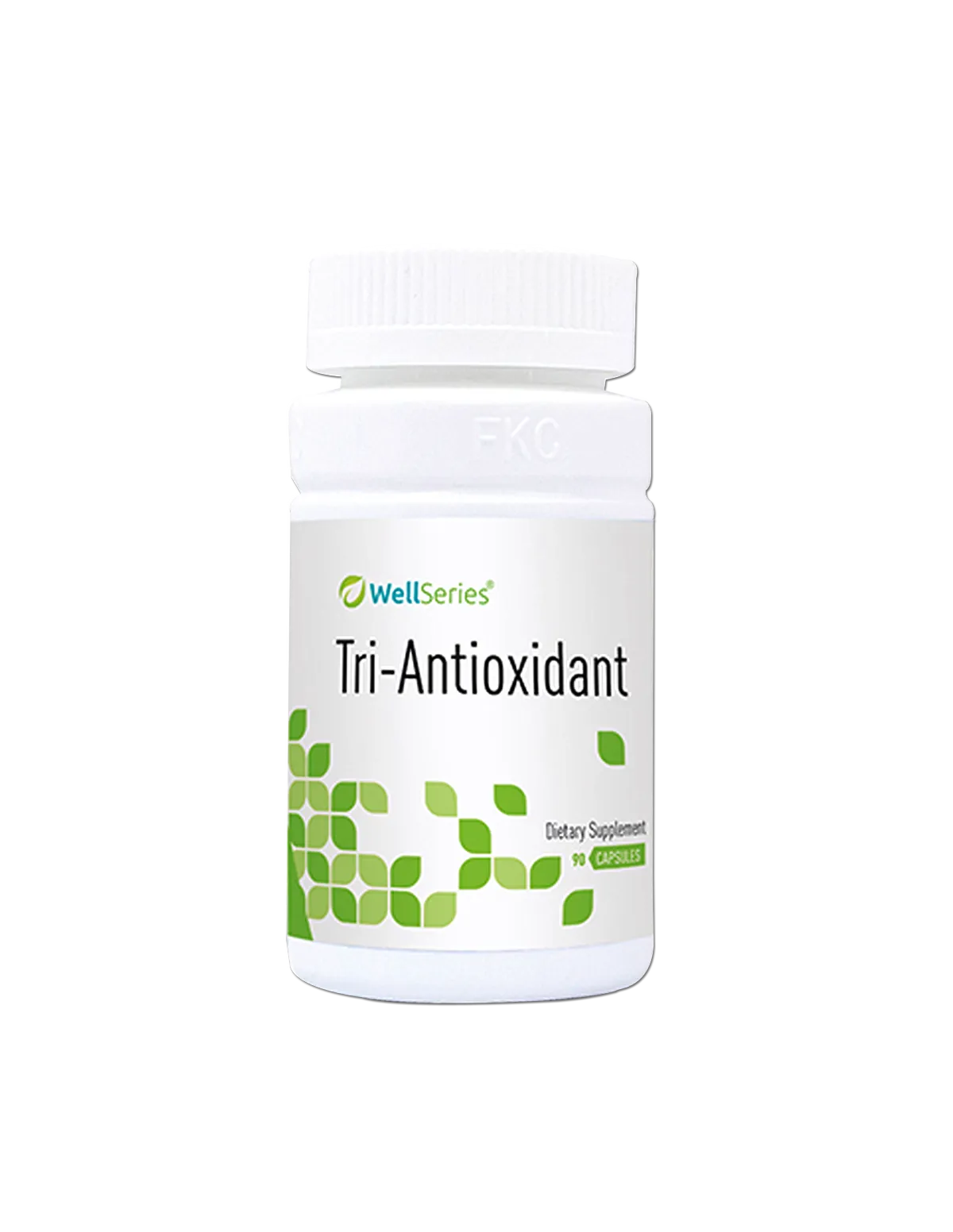
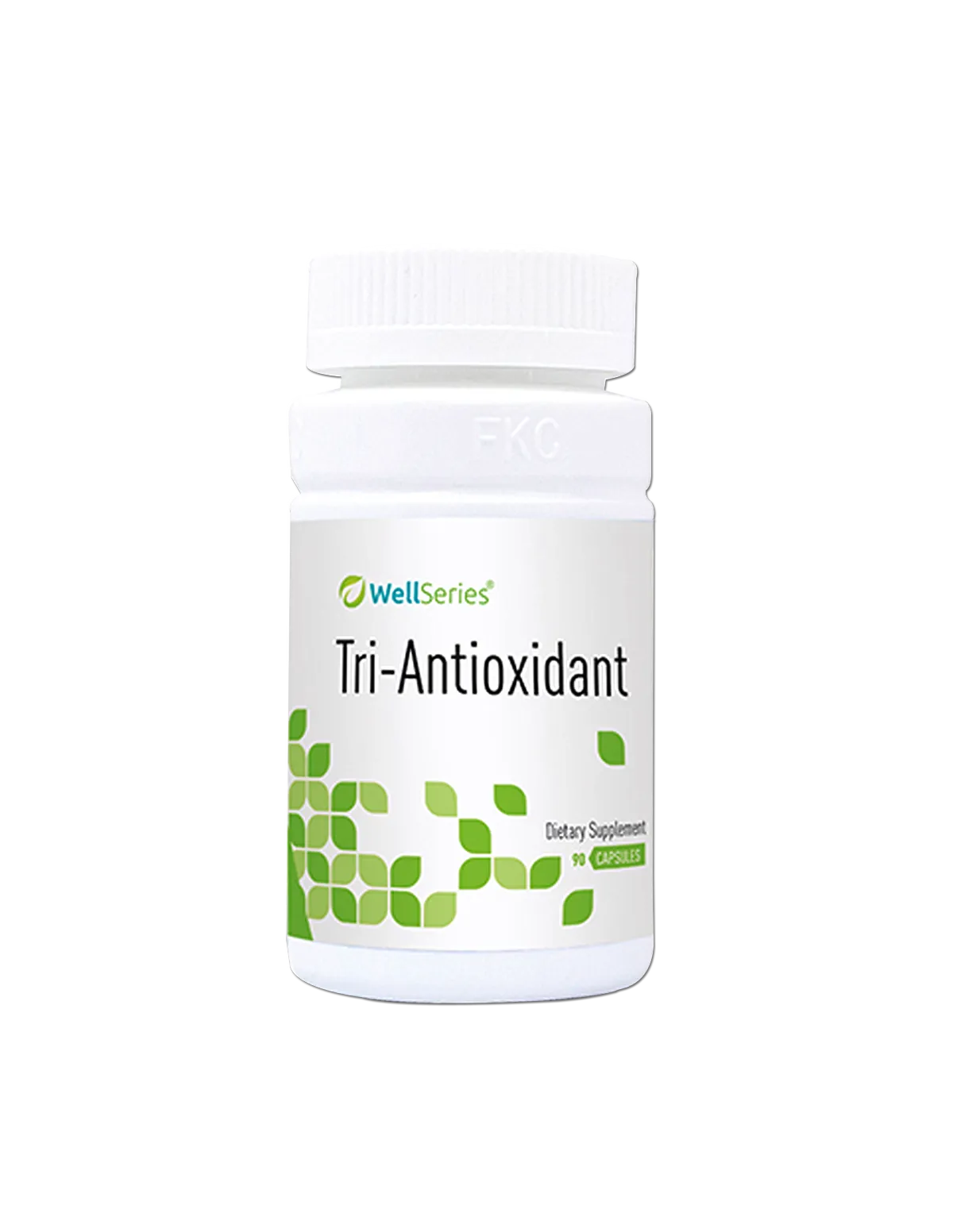
Tri-Antioxidant
Tri-Antioxidant mimics nature's way of mixing antioxidants in the same food source. This synergistic pattern, seen naturally occurring in plants, is the key to the success of Tri-antioxidant. A single antioxidant molecule cannot compare in effectiveness to the combined strength of the sum of antioxidants found in Tri-Antioxidant.
90 capsules per bottle
41 Point Value (PV)
BENEFITS:
The composition of Tri-Antioxidant is unique in its combination of Selenium, Green Tea Extract, "OPC3" (Grapes Seed Extracts and Pine Bark Extract). These ingredients help to slow down the oxidation damage (aging) of your body's cells.
•Provide anti-cancer components
•Promote anti-oxidation in digestion and body tissue to help slow aging.
•Promote anti-oxidation on cell surface where the damage is prominent.
•Activate cell&' s internal, natural anti-oxidation mechanisms to block oxidation inside cells.
•Help prevention and resolution of atherosclerosis in blood vessels for healthy blood flow.
•Provide the critical and essential trace mineral Selenium for nutrition & as a potent antioxidant.
•Provide synergistic and diverse anti-oxidation effects through multiple antioxidant combinations.
Tri-Antioxidant
Consumer Health Solution
Selenium Results

Green Tea Extract Results
Grape Seed and Pine Bark
Ingredients
Selenium
Selenium is a natural trace mineral element and a vital nutrient which means it is required in the diet for good health. Selenium functions as an antioxidant against oxidative free radical damage in living cells. In addition to its antioxidant role, Selenium also demonstrates other significant roles in the health of the thyroid gland and the immune system.
Selenium research reveals a role for selenium in protection against various diseases including cardiovascular disease and cancer. An abundant amount of research is available which demonstrates the role of selenium in preventing cancer in the laboratory and clinic. One major clinical trial involving over 1300 people found that supplementation with selenium in their diet decreased the overall cancer morbidity and mortality by almost 50% over a period of five years. Another study found that consumption of selenium may reduce the risk of prostate cancer in men. A role for selenium in inhibiting tumor-dependent angiogenesis (tumor blood vessel growth) has been shown in more than one study. Without angiogenesis, tumors would have a hard time growing and spreading into the rest of the body. Selenium cuts off the tumor blood supply and literally suffocates it. Selenium also causes increased cancer cell suicide which decreases the size of the cancerous tumors.
Biologically speaking, selenium only functions within selenoproteins. Selenoproteins are enzymes (proteins) that contain selenocysteine or selenomethionine enzymes. These enzymes are chemically bonded to the essential amino acids cysteine or Selenoprotein enzymes can not function without selenium. Selenium is part of some critical and well studied antioxidant enzymes such as glutathione peroxidase and thioredoxin reductase.
Green Tea Extract
The Far East has known the health benefits of green tea health for centuries and it has been used in traditional medicinal practices. Today green tea is well known and extremely popular around the world due to its potent antioxidant effects. Unlike regular black tea, green tea protective antioxidants are largely preserved during processing after harvest. Green tea is not fermented like other teas which is the key to the potency of green tea antioxidants. The antioxidants in green tea are preserved until consumption time.
The secret of green tea extract as a powerful source of antioxidants is its rich content of catechins which are chemically known as polyphenol compounds. Green tea contains a diverse mixture of catechin polyphenols which accounts for up to 20-30% of the dry weight of the leaves. Epigallocatechin-3 gallate (EGCG) is the major catechin in green tea and is the most potent of all the antioxidants. EGCG can be many times more potent than vitamin C or E.
Green tea is known for its anti-cancer properties which has been demonstrated in studies employing different cancers. Green tea can inhibit carcinogenesis, the initiation of a cancer, in skin, lung, esophagus, stomach, liver, duodenum and small intestine, pancreas, colon, bladder, prostate and mammary gland cancers. A relatively recent clinical study demonstrated the effectiveness of EGCG in inducing the death of leukemia (blood cancer) cells by inducing cancer cell suicide. EGCG eliminated 80% of cancer cells in samples from leukemia patients. The mechanism of halting the cancer cell cycle seems to be due to the interference of EGCG with the survival signals of leukemic cells. The significance of this study lies in the possibility of using green tea EGCG as a natural nontoxic alternative medicine to avoid the toxic chemotherapy normally used in leukemia patients.
Green tea polyphenols, and specifically, display potent inhibition of angiogenesis as shown in research studies. These studies give green tea and EGCG tremendous significance in cancer research since angiogenesis is vital for the malignancy and spread of tumors in cancer patients. Similar to selenium, cutting off the blood supply to tumors using green tea extracts is a very promising path to cancer prevention and therapy.
Green tea also shows promise in the fight against heart disease. Studies from Japan demonstrate the effect of green tea on reducing coronary artery disease. A significant correlation between the amount of green tea consumed and protection from the disease was shown. An elevation in the amount of oxidative free radicals in the arteries is a key event in many forms of cardiovascular disease. Research shows that green tea catechins block enzymes involved in the production of free radicals in the cells of blood vessels. By protecting blood vessels from oxidation damage, green tea catechins help in the prevention of cardiovascular disease development. Green tea may lower the risk of atherosclerosis by lowering LDL cholesterol, triglycerides, fat-based peroxides (free radicals that damage LDL cholesterol and other body fats) and fibrinogen (a protein in the blood involved in the formation of blood clots). Green tea may also decrease the ratio of LDL (bad) to HDL (good) cholesterol which is protective from cardiovascular disease.
Grape Extract
The French people have a puzzling mystery. They eat a diet rich in saturated fatty acids, which is a known trigger of atherosclerosis and coronary heart disease, yet they have a low rate of heart disease. This mystery is known as the “French Paradox”. The death rate from heart disease in France is three times lower than the death rate in the USA and Britain. Science explains this paradox with the relatively high consumption of red wine by the French, compared to other developed nations. Unfortunately, high consumption of red wine can lead to other serious illnesses from excessive consumption of alcohol, including alcohol addiction and liver disease.
Studies on the benefits of red wine, point to Resveratrol and Quercetin flavonoids which are the active molecules in grape skin and seeds. Both compounds are powerful antioxidants and may act synergistically to block the damage caused by oxidative free radicals. Quercetin seems to reduce atherosclerotic clots buildup by reducing the oxidation of bad cholesterol (LDL) particles which inhibit platelet aggregation into a threatening clot. Resveratrol appears to decrease the aggregation and stickiness of blood platelets, and help blood vessels to remain open and flexible. The reason red wine is thought to be the only effective wine in heart disease prevention is because the red grape skins are used in the red wine making process unlike green grapes wine. We now know that all grapes have similar quantities of these cardiovascular protectors regardless of the color of the grapes. But grapes not only fight cardiovascular disease but cancer as well.
Resveratrol is a compound that shows potential as an anti-cancer molecule. It was found to inhibit the development and progression of cancer in laboratory animals treated with carcinogens and mutagens. Furthermore, resveratrol can inhibit human breast and prostate cancer by arresting cell growth and promoting cancer cell suicide. Again, the magic of resveratrol doesn’t seem to stop at heart disease and cancer. Resveratrol shows significant activity against herpes virus (type 1 and 2) replication and growth.
Aging is another target for grape antioxidants. Oxidative stress is an aging-related process implicated in various neuro-degenerative disorders. Quercetin and resveratrol protect and even inhibit the damaging effects produced by oxidative stress on nerve cells.
IIn addition to resveratrol and quercetin, grapes are rich in a specific type of flavonoid molecules known as oligomeric proanthocyanidines (OPC) which have potent antioxidation activity. OPC has strong antioxidant protective activity against a variety of diseases and much more effective antioxidant activity than vitamin C or E.
Laboratory studies clearly show the protective effects of OPC against cardiovascular disease. It is known that oxygen free radicals can trigger cardiovascular damage. The studies illustrate that the protective effects are directly or indirectly related to neutralizing oxygen free radicals as well as inhibiting enzymes that cause the formation of these radicals. One study confirmed the effect of OPC on lowering cholesterol in animal models. There is also evidence that OPC-fed laboratory animals are resistant to heart muscle injury. Another report demonstrates the cardio-protective effects of OPC through anti-free radical activity. OPC is actually the active ingredient in a proprietary pharmaceutical product sold in France (Endotelon) used primarily for small blood vessels disorders.
In addition to cardiovascular disease, OPC has activity against a variety of diseases. Recent studies demonstrated an anti-inflammatory effect of OPC. Inflammation is a well known trigger of many illnesses including heart disease and arthritis. OPC can also block HIV-1 virus entry into white blood cells, which are the target cells for HIV. OPC from grape seeds has activity against cancer cell growth while sparing normal healthy cells. These studies are just a small fraction of the available findings from diverse laboratories using OPC against a diverse array of human and animal diseases. OPC is a very promising and exciting health protecting molecule.
Pine Bark Extract
Similar to grape extracts, bark extracts from Pine trees are rich in OPC antioxidants. The discovery of OPC is an interesting piece of history. A few hundred years ago a French explorer and his crew were trapped by ice in the Saint Lawrence River in America. Many of the men were saved from scurvy (a vitamin C deficiency disease) by a Native American who taught them how to survive by drinking tea made from the needles and bark of a local pine tree. A few hundred years later, Jacques Masquelier from the University of Bordeaux discovered this story and decided to investigate the ingredients of pine trees. In 1951, he extracted OPC from the bark of the pine trees, and found that they were similar to vitamin C in function. Later, he also discovered OPC in grape seeds. Some of the health-promoting activities of pine bark are similar to grape seeds and skin extracts due to OPC content in pine bark and grapes.
Product Details
Without antioxidants your body will age and deteriorate rapidly from problems such as heart disease, tumors and cancer. These degenerative symptoms may ultimately result premature aging. Antioxidant has become a common term in the world of health news these days. We hear about antioxidants in our skin creams, antioxidants supplements, and which foods at the grocery store have the most antioxidants, but what are antioxidants and why do we need them? Antioxidants combat free radical oxidation in your body. Free radicals are the root cause of oxidation, which ultimately causes diseases and premature aging. These free radicals are molecules that are missing an electron and search our bodies for one to steal. Free radicals can be present in your body from exposure to toxins and they are also created in your body naturally through energy production. Your body requires energy equivalent to a nuclear reactor! As the cells in your body generate this massive energy to live, they naturally create the byproduct: "free radicals".
FKC's Response
FKC scientists have combined some of the most potent and natural antioxidant compounds into a single unique nutrition supplement called Tri-Antioxidant. This natural supplement provides a synergistic collection of antioxidants that go beyond standard antioxidants like vitamin C and E. Tri-Antioxidant mimics nature's way of mixing antioxidants in the same food source. This synergistic pattern, seen naturally occurring in plants, is the key to the success of Tri-antioxidant. A single antioxidant molecule cannot compare in effectiveness to the combined strength of the sum of antioxidants found in Tri-Antioxidant.
The composition of Tri-Antioxidant is unique in its combination of Selenium, Green Tea Extract, OPC3 (Grapes Seed Extracts and Pine Bark Extract). These ingredients help to slow down the oxidation damage (aging) of your body's cells.
Provide anti-cancer components
Promote anti-oxidation in digestion and body tissue to help slow aging.
Promote anti-oxidation on cell surface where the damage is prominent.
Activate cell's internal, natural anti-oxidation mechanisms to block oxidation inside cells.
Help prevention and resolution of atherosclerosis in blood vessels for healthy blood flow.
Provide the critical and essential trace mineral Selenium for nutrition & as a potent antioxidant.
Provide synergistic and diverse anti-oxidation effects through multiple antioxidant combinations.
FKC uses the highest quality products and manufacturing. All FKC health supplements are developed in the US and are manufactured in the US in accordance with the strictest FDA GMP regulations
Why we age:
Why we age is a question that has puzzled people throughout history. The quest for answers to aging is not only because aging makes us look older but because, with the aging process off course, our bodies can become susceptibility to many diseases. Only science has explanations to explain aging. Science is becoming clear about the cause of aging and has narrowed the root of the aging process to the primary cause: oxidation damage (Kirkwood 2005, Balaban etal 2005). Several factors such as genetics increase the aging process but the primary cause remains cell and tissue damage. Damage caused to molecules, cells, tissue, and organs. Aging is a reflection of the oxidation status within the cells and tissues. The more the oxidation occurs the faster the aging. Delaying aging is primarily a result of delaying or minimizing excessive oxidation. A small amount of oxidation is healthy and happens naturally. An excessive oxidation state is not natural and is unhealthy. Excessive oxidation is an early invitation to aging and disease. But what causes an excessive oxidation state? Primarily, an unhealthy diet, stress, and environmental toxic chemicals lead to this condition. No one is immune to these excessive oxidation triggers.
Natural Oxidation Products:
Our bodies are made of an enormous number of living cells with molecular factories to use the oxygen we breathe to create energy. The cellular energy created provides the fuel for most of our biological processes. Life is not possible without this energy. However, during oxygen consumption a natural by-product is made which can be harmful in excess or when present in undesirable locations. The by-products are oxygen free radicals such as super oxides. An oxygen free radical is an oxygen-containing molecule that is missing one of its electrons. The absence of the electron destabilizes the molecule into a free radical structure.
Oxidation Damage:
An oxygen free radical is reactive with any molecule that can donate an extra electron to it. Free radicals will normally steal electrons from biological molecules. The biological molecule is usually DNA (heredity molecules), proteins (amino acids polypeptides), carbohydrates (sugar), or lipids (fat). This causes oxidative damage to these molecules which ultimately can damage cells and tissues.
Environmental Oxidation Products:
Free radicals not only come from internal cellular combustion but from environmental toxic factors. Toxic factors causing or containing free radicals include smoke, ultra-violet light, excessive alcohol, drugs, pollution, and many other environmental chemicals. Many of us, given modern lifestyles, are bombarded with these poisons on daily basis. This exposure can overwhelm our bodies beyond their natural defense mechanism and accelerates aging and disease.
Oxidation Damage Causes Disease:
Oxygen free radicals can cause different health problems such as heart disease, tumors, and cancers in addition to the degeneration symptoms of aging. Free radicals can damage DNA, our heredity molecule, by mutating it to a different chemical form. DNA mutation is one of the fundamental causes of tumors and cancer. Oxidation in blood vessels can cause atherosclerosis disease which blocks the arteries causing heart disease, another serious threat that can be triggered by oxygen free radicals. Constant bombardment with toxic oxidizing free radicals will wear down organs and tissues much faster than the natural wear and tear process. All together, free radicals have the potential to unpredictably do damage and cause disease in different parts of the body.
Oxidation Damage Healers:
So how does the body avoid or minimize the destructive effects of excessive oxygen free radicals? The body has natural enzymes and molecules to quench oxidants. These enzymes and molecules are generally known as antioxidants. Antioxidants eliminate oxygen free radicals by donating an electron to the hungry free radical which neutralizes it. Some of the known vitamins are antioxidants found in food. These include vitamin A or beta-carotene, vitamin C, and vitamin E. These vitamins can donate extra electrons readily to oxygen free radicals. Anti-oxidants protect cellular molecules from oxidation damage by sacrificing themselves transiently or permanently. Cells, however, have natural mechanisms to regenerate these antioxidants so they can function again and again. This critical antioxidant function of some vitamins made them famous in the food industry and caused food manufacturers to add them to many foods and consumer products. Anti-oxidation is essentially the primary function of many micro-nutrients. Recent scientific discoveries have uncovered natural antioxidants which are much more potent than the classical vitamin antioxidants (Halvorsen et al. 2002). Some of these newly discovered antioxidants can be 20-50 times more potent than standard vitamins. Many of these natural antioxidants are found in plants and are known as phytochemicals like the polyphenol compounds in green tea, grape skin and seeds, or pine bark. Minerals can also behave as strong antioxidants like the natural mineral Selenium which is one of the most effective and potent antioxidants known.
Complimentary FKC Products:
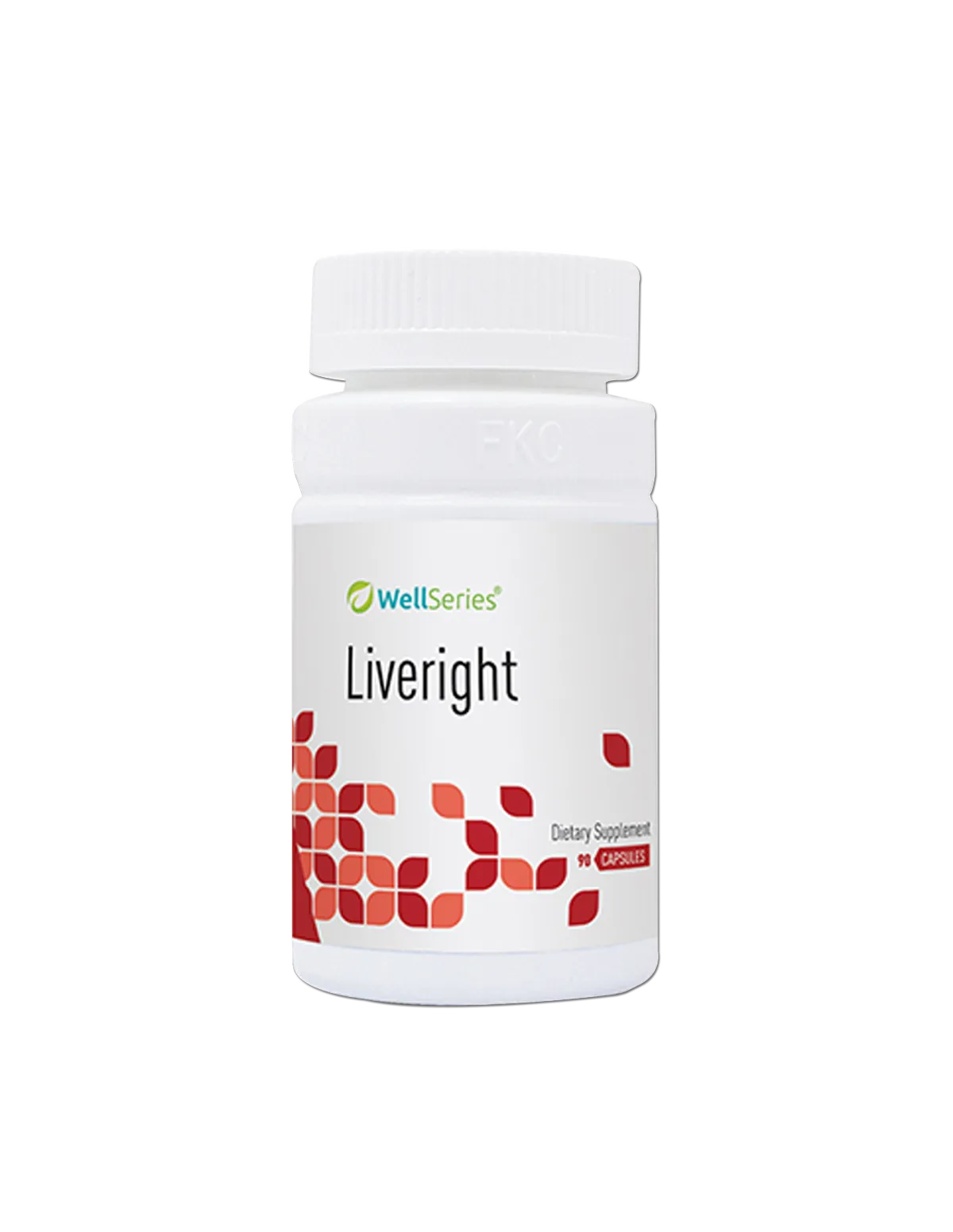
FKC Liveright is a is a powerful supplement to accompany "Tri-Antioxidant". "Liveright" contains a different combination of antioxidant molecules that target the liver for healing. The "Tri-Antioxidant" mix of antioxidants are beneficial to all body cells.
© 2025 All Rights Reserved.