
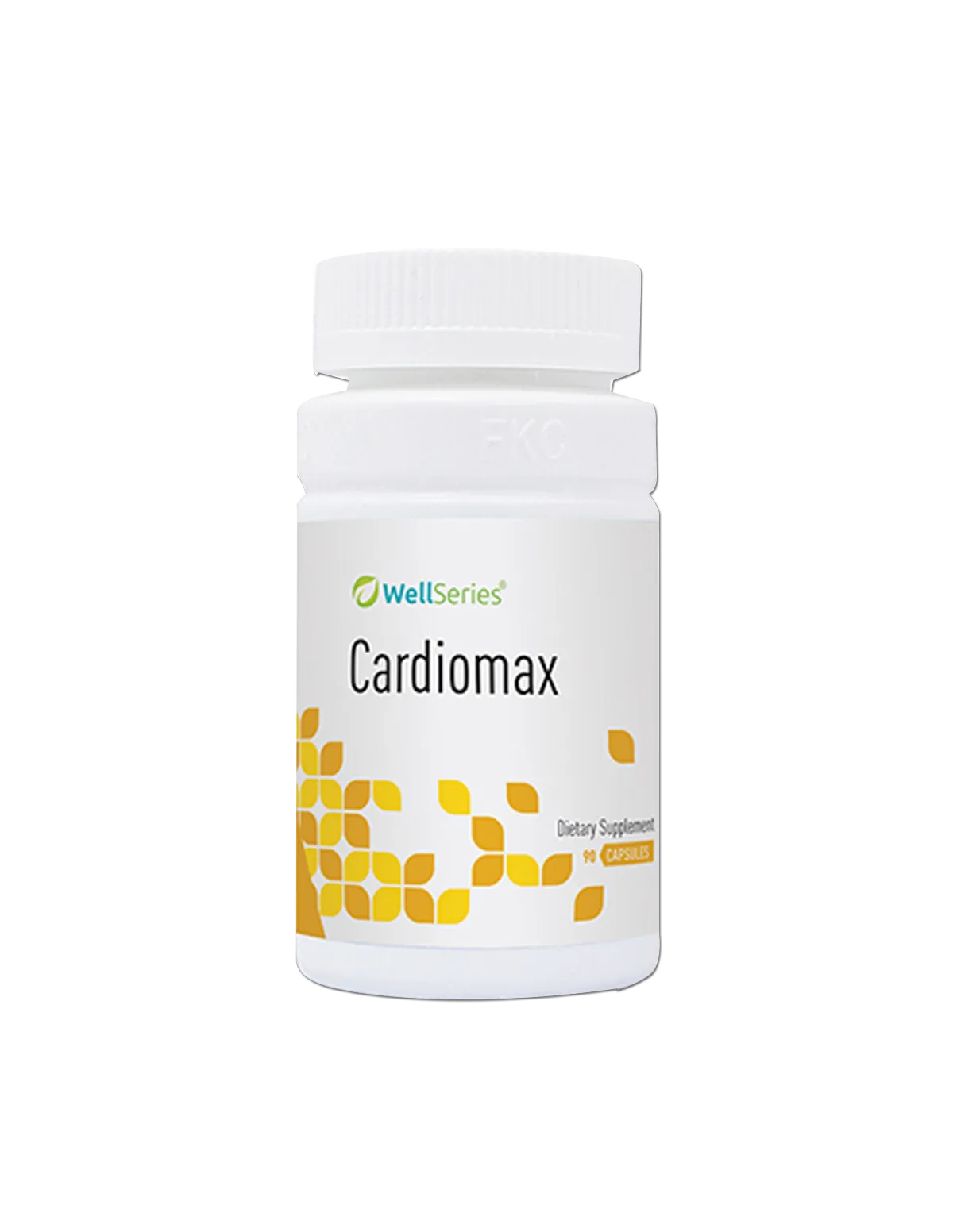
Cardiomax, A Solution To Your Health Problems
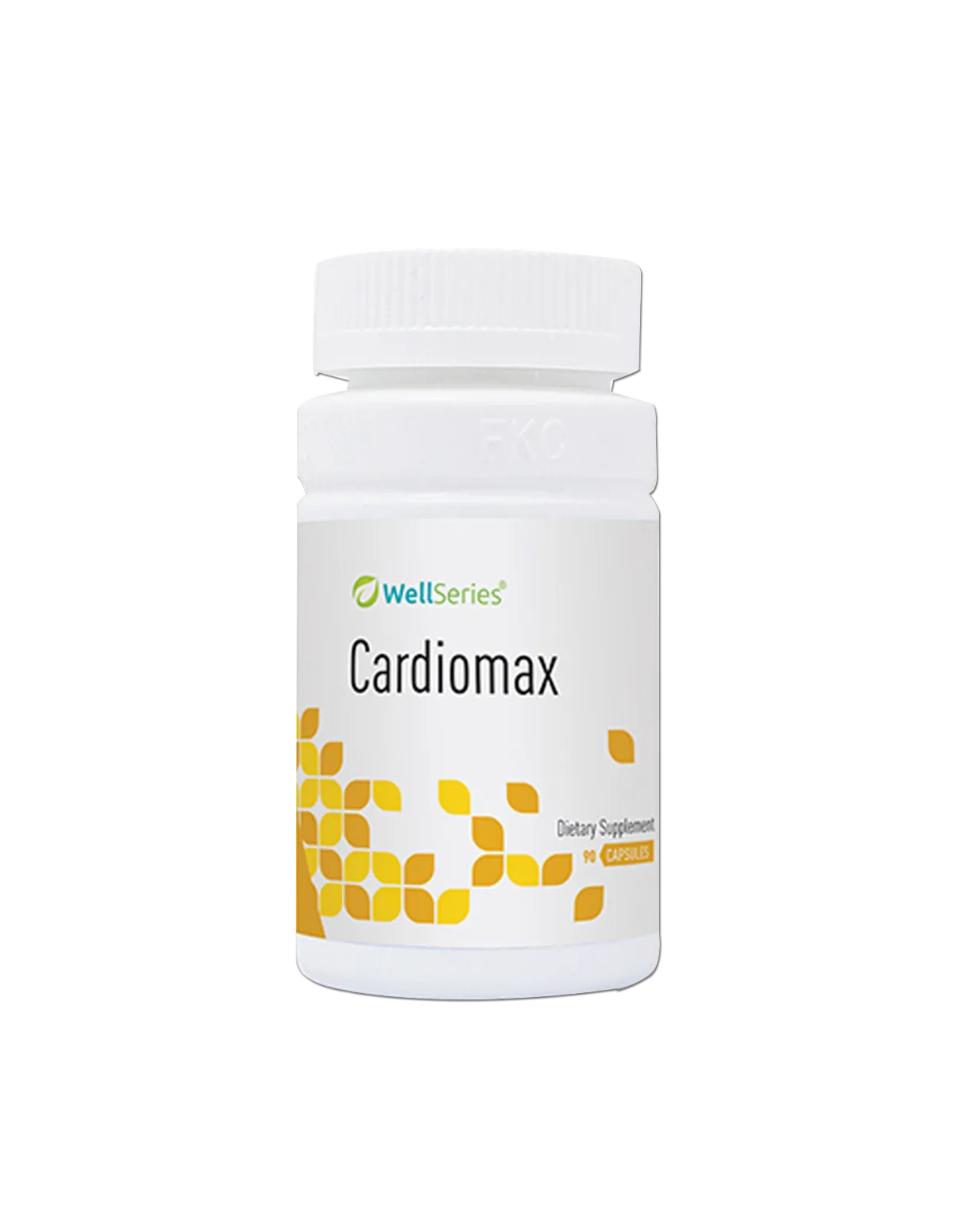
Cardiomax
Cardiomax is an all-natural health supplement designed to naturally rejuvenate and support the cardiovascular and circulatory system. It is considered a breakthrough for maintaining a healthy heart.
90 capsules per bottle
41 Point Value (PV)
BENEFITS:
•Help prevent atherosclerosis in blood vessels for healthy blood flow.
•Provide potent antioxidant to protect heart and blood vessels from oxidation damage.
•Promote a healthier and stronger heart by providing energy for cell mitochondria.
•Help prevent homocysteine levels from rising dangerously high.
•Provide Omega-3 essential fatty acids to maintain health & help unblock blood vessels.
•Help block oxidation of cholesterol particles in the blood.
Cardiomax
Consumer Health Solution
Omega 3 Fatty Acids

Vitamin E Results
Vitamin B12 Results
Folate Results
Vitamin B6 Results
Ingredients
Alpha Lipoic Acid
Alpha-Lipoic acid is a natural enzyme co-factor and antioxidant molecule found in the mitochondria of all living cells. Lipoic acid is required in the mitochondria to extract energy from sugar molecules. The enzymes involved in energy generation use Lipoic acid as a co-factor in multiple enzymatic reactions. However, the quantity of Lipoic acid present in a cell is usually limited and reduced when the cell is not in optimal health and as the cell begins to age.
Lipoic acid is a very potent antioxidant. Lipoic acid helps regenerate other antioxidants like vitamin C and E and glutathione into their active form after they perform their antioxidation function. Lipoic acid is unique among all antioxidants because it functions in water and fat environments inside and outside cells and it has potent antioxidant activity against a variety of free radicals. This allows Lipoic acid to function where other antioxidants fail. Additionally, Lipoic acid can be used anywhere in the body due to its versatility in location and activity. However, the main “ magic” of Lipoic acid takes place in the mitochondria, the energy battery of all living cells, especially the heart muscle cells. The great benefits of Lipoic acid include the protection and revival of mitochondria and its functions.
The power of Lipoic acid to rescue the mitochondria has been shown in multiple studies. During aging, Lipoic acid protects the mitochondria from oxidation damage and recover its metabolic activity. The mitochondria in the heart muscle cells work the hardest in the human body. Over a thousand mitochondria are found in a heart muscle cell reflecting the massive amount of energy heart muscles require. Therapy of a damaged heart muscle will greatly benefit from reviving heart cell mitochondria. In fact, the National Institutes of Health (NIH) awarded $9.5 million dollars to the San Diego State University Heart Institute in 2006 to do research on how protecting mitochondria can preserve heart cells during a heart attack! The greatest health institute in America is taking notice of the major role the mitochondria play in the heart.
Lipoic acid has been repeatedly shown to rescue the function of the heart muscle by rescuing mitochondrial function. Lipoic acid is effective in decreasing the formation of mitochondrial superoxide free radicals in heart cells damaged by oxygen free radicals. In addition, Lipoic acid treatment with vitamin E protects the heart from oxygen starvation damage in animal experiments. Lipoic acid has a very high level of antioxidation power compared to several antioxidants in maintaining heart cell function. Damage to the mitochondria in heart cells by toxic chemotherapy can be prevented using Lipoic acid in the laboratory. In diabetic victims, excessive sugar in the blood can cause oxidative damage to the heart cells by damaging the mitochondria which induce heart cell suicide. This heart muscle suicide can be prevented with Lipoic acid treatment as was revealed in a recent study. All this clearly suggests alpha-Lipoic acid is the most important component in “Cardiomax” supplement.
Vitamin E
Vitamin E is an essential vitamin for health and survival. Vitamin E is the name of a group of molecules known as tocopherols. Alpha-tocopherol is the most active and abundant natural form of vitamin E. Vitamin E is a potent antioxidant present in cellular membranes (the fat layer surrounding cells and cell compartments). Vitamin E protects the membranes from oxidative damage induced by oxidative free radicals released around the membranes. Antioxidation is the major role known for vitamin E.
Population studies have demonstrated that vitamin E can reduce the risk of cardiovascular diseases in men and women. These results make vitamin E an essential nutrient in the fight against cardiovascular disease.
Vitamin E can protect the fat molecules (cholesterol and fatty acids) in LDL particles from oxidative damage in the blood. Oxidized LDL particles can trigger atherosclerosis and heart disease by sticking to blood vessels and activating inflammation which eventually leads to thrombosis and blockage of the vessels.
Another way vitamin E can protect blood vessels is by inhibiting platelet aggregation, an event that is part of the injury process in a blood vessel that leads to atherosclerosis.
Omega 3 Fatty Acids (Alpha Lenolenic Acid)
Fat has a bad reputation when it comes to cardiovascular disease. We are always told to eat less fat to prevent heart disease. But fat is not always bad for our cardiovascular health as is commonly understood. Some types of fat, in fact, were discovered to be as essential in our diet as proteins are for survival and good health. These essential fat molecules known as essential fatty acids (EFA) are like vitamins, they must be obtained daily in the diet. EFA are necessary for the synthesis of hormones and other physiological regulatory molecules. One of these EFA, however, is particularly important for the maintenance of proper cardiovascular health. This special fat is known as Omega-3 or alpha-Lenolenic acid. Unique among other EFA, omega-3 protects the health of the heart and blood vessels. Omega-3 shields the blood vessels from inflammation and thrombosis, which causes life threatening damage to blood vessels.
IInflammation is a trigger for atherosclerosis and heart disease. The inflamed site in the blood vessel is injured due to a local aggressive inflammatory reaction. This local inflammatory injury is a trigger for a thrombosis clot that blocks the flow of blood to any tissue including the heart and brain. Blood flow blockage will starve the heart muscle or brain tissue and cause a heart attack or stroke. By blocking inflammation locally in blood vessels, omega-3 fatty acid prevents development or growth of existing blood clots. Omega-3 is one of the primary controllers of inflammation in a diet.
Vitamin B6, B12 and Folate (as Folic Acid)
Homocysteine is an amino acid that is generated by a chemical reaction that involves demethylation of the amino acid methionine. This is a natural metabolic processing of methionine. Homocysteine, however, accumulates in the blood when there is a deficiency in some of the B vitamins. A high level of homocysteine in the blood is a condition known as hyperhomocysteinemia. There is sufficient scientific evidence in laboratories and clinics to show that hyperhomocysteinemia triggers thrombosis (blood clotting), inflammation, and artery injury triggering atherosclerosis. Hyperhomocysteinemia is now considered an established risk factor for heart attacks, strokes, and neurodegenerative diseases due to the clogging of arteries supplying the brain, heart, or brain muscle tissue.
Some of the B vitamins are essential to lower the dangerous high levels of homocysteine in the blood. The removal of excessive homocysteine requires vitamin B6, vitamin B12, and folic acid (folate). A deficiency in any of these B vitamins can lead to elevated homocysteine levels in the blood and cardiovascular disease. Supplementation with these B vitamins reduces the levels of homocysteine in the blood in the clinic.
These three B vitamins, and especially vitamin B6, are also essential for energy generation which is important for the extremely active cardiac muscle cells. Cardiac muscle cells demand particularly high energy 24 hours a day.
© 2025 All Rights Reserved.